Goa is first choice for honeymoon in India as it has that romantic weather with beaches, nightlife, shopping.So come and enjoy your honeymoon in Goa.
Goa India TourismBeaches of GoaGoa India TourismGoa Beach TourBeach in Goa
OWNED BY GOAINDIATOURISM. India's Leading Tour Operator Since 1999


Home >> Goa Travel Guide >> History of Goa

History of Goa

<PREVIOUS  | 1 | 2 | 3 | 4 | 5 | 6 | 7 | 8 | 9 | 10 | NEXT>

In 1785 the Kolhapur troops again attacked Bhonsle. He sought the Portuguese help and in return agreed to cede the rest of Pernam. Thus, by 1788, the New Conquest was completed and the Portuguese consolidated their hold and lands in Goa.

The Portuguese rule was not liked by the majority of the Hindus who resented the religious intolerance of the Portuguese. The activities of the Inquisition also added to the resentment. Even the converted Christains as time meant by came to the treated as inferior citizens. All this led to series of revolts against the Portuguese. The first of these revolts occurred in 1787 and is known in history as the Pinto Conspiracy.

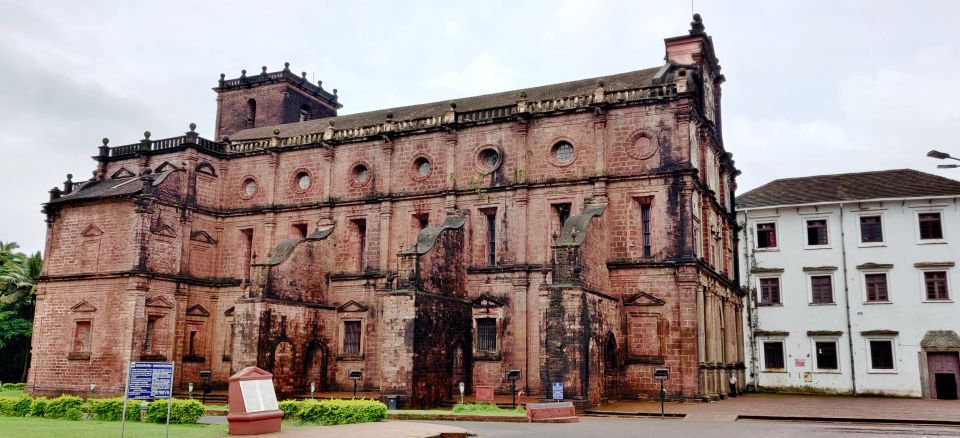
The economy of Goa had been shattered by the various conflicts. The ruling class wanted to maintain their position and thus reserved for themselves all the key positions in Civil, Military and Ecclesiatical departments. This led to great resentment amongst the locals who were equally well trained and educated. India Goa Old Goa The Sé Cathedral at first lightThe Dominicans, Franciscans and Jesuits predominated in all walks of life. The local clergy and laity joined hands to overcome this. Two learned local priests Cae teno Francisco Couto of Panaji and Jose Antonio Gonsalves of Divar were not made Bishops because of the color of their skin. They want to Portugal to plead their case. The Portuguese Government had in 1774 issued Special Instructions on the subject but these had been ignored. Frustrated in their efforts, the priests had met Abbe Faria who inspired the two priests to overthrow the supremacy of the white rule in Goa. On return, other disgruntled elements in the army joined the plot. A Father Pinto offered his house to the conspirators. The date for the uprising was fixed, but the Portuguese came to know of the plot in time. Over forty seven persons including seventeen priests and seven army officers were caught and punished for treason. A few managed to escape to Bombay. Thus ended the first Freedom attempt known as the Pinto Revolt.

The British had always eyed Goa as a possible area to control. When the Napoleonic war broke out in Europe, its repurcussions took place in India also. The British were determined to control the French influence in India, if not eliminate it. They offered to help the Portuguese to defend themselves against the French and Hyder Ali of Mysore. In 1798, the British Admiral Reiner arrived with four ships to help the Portuguese. They politely refused the help. Next year, a British Army landed and occupied Fort Aguada. Parts of the army remained as late as 1815. In 1839, the English again tried to takeover Goa by complaining that the Portuguese were helping rebels from the British India. When this was refuted, the English offered to buy the Portuguese territories in India. Lisbon again refused to oblige. In 1842, the Raja of Sawantwadi rebelled against the English. He was defeated but given shelter by the Portuguese. An English army entered Goa and Captain Arthur threatened to blow up the Panaji Palace. Once again the Portuguese stood firm and frustrated the attempts of the English.

The Ranes Revolt lasted sparodically for a number of years between 1852 1912. The Ranes of Satari Mahal were on borders between Sawantwadi State and Goa. The Ranes trace out their original habitant in Rajasthan. They claim to be descendents of a Kshatri yaclan of Rajasthan. Their customs and rites are different from those of the other ruling class of Gomantaka. They carried out for nearly 60 years a sparodic struggle against the Portuguese rule. Their exploits have now become a part of the folklore of the Area and even today villages sing of "Kustoba Rane" who was a sort of Robin Hood hero of the area.

In 1851, the Portuguese government in Goa imposed taxes upon the inams and mokas. They also forced ladies to wear alien clothes. The soldiers who were sent to enforce these decrees misbehaved with the ladies under the garb of inspections. Dipajee Rane rallied the people of Satari around him in 1852 and rebelled against the Portuguese rule. In a surprise attack Dipajee Rane captured the fort of Nanus. He thus got hold of a great deal of arms and ammunitions. The Portuguese were soon driven out of Satari. The landlords of the neighboring areas like the Dessais and Gaonkar's joined him. This army soon liberated Quepem, Canacona, Hamad Barshe and Bhat agroma. The Portuguese army was kept at bay with excellent guerrilla warfare tactics. The Governor himself took the field against Dipaji but failed to achieve anything against the local hero. Three years of military efforts on the part of the Portuguese failed to achieve any results. In 1855, the Portuguese Government entered into a treaty with Dipaji. The rights of the local village Councils were recognized, the religious dictates were withdrawn and along with other minor concessions, Dipaji was given a ceremonial robe of honour and a sword.

The tradition of rebellion however continued. Kushtoba of Sanquelim rose against the Portuguese. He was helped by Shamba Desai. Like Robin Hood, Kushtobe robbed the rich and helped the poor, both were however taken by surprise and killed in 1871.

Old Portuguese Fort Cabo da Rama South Goa Goa IndiaThe Portuguese soon started fresh repressive measures against the people in Satari. Monopoly system was introduced in land cultivation. This led to great unrest. In 1895, the Portuguese sought to use Goan troops against the Cafri tribe in Portuguese African Colonies. The Hindus feared loss of caste if they went abroad. The Government was adamant. Dada Rane Advaikar became the local point of unrest. The Portuguese also suspected that the writings in a paper run by a missionary Francisco Alvares were also responsible for the unrest. He was banished from Goa. Dada Rane captured first the Port of Nanus. He then made forays into Bardez and looted the: Port agued Treasuries. Soon he was joined by Baba Sawant, the Dessai of Hemad barshe. The combined forces approached Aguada. The Portuguese were most alarmed. The new Governor Joaquim Machado through the me¬diation of Shri Shakaracharya of Sanke shwar accepted all the terms of Dada Rane and all were pardoned. Among the followers of Dada Rane were Pavate Nandkarni and Phato Borkar. These two specialised in looting Government property and treasuries. A few churches were also destroyed. The last revolt of the Ranes was in 1912. The rebels wanted to force the government to modify its repressive taxa¬tion policy. This time the Portuguese responded with great ferocity. The rebellion was suppressed and the leaders deported to Africa.

Tour Enquiry Form
(* represents compulsory fields)
* Name :  
* Phone : (Include Country/Area Code)  
* City  
* Your Country :  
* E-Mail Address :  
* Tentative Date of Travel:  
Number Of Nights To Stay  
No. of People Travelling:   Adult      
  Children
* Any specific requirements:


Copyright © 2007-08 Goa India Tourism.com. All Rights Reserved.

history, history of Goa,Goa history, background of Goa, Goa Background, historu Goa India, Goa hotels, Goa hotel, Goa packages, Goa tour, Goa vacation, hotels in Goa, Goa trip, honeymoon in Goa.