
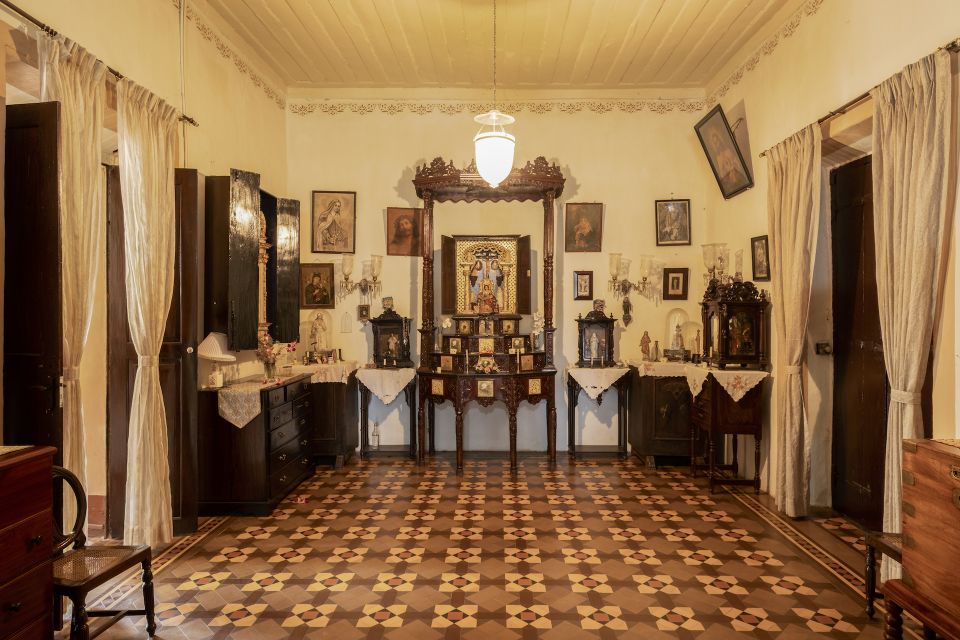
Goa: Heritage Trail of Portuguese Mansions & Museum
Portuguese mansions in South Goa, minus the crowds. On this heritage trail you get the Portuguese-era family home story in […]
Portuguese mansions in South Goa, minus the crowds. On this heritage trail you get the Portuguese-era family home story in […]
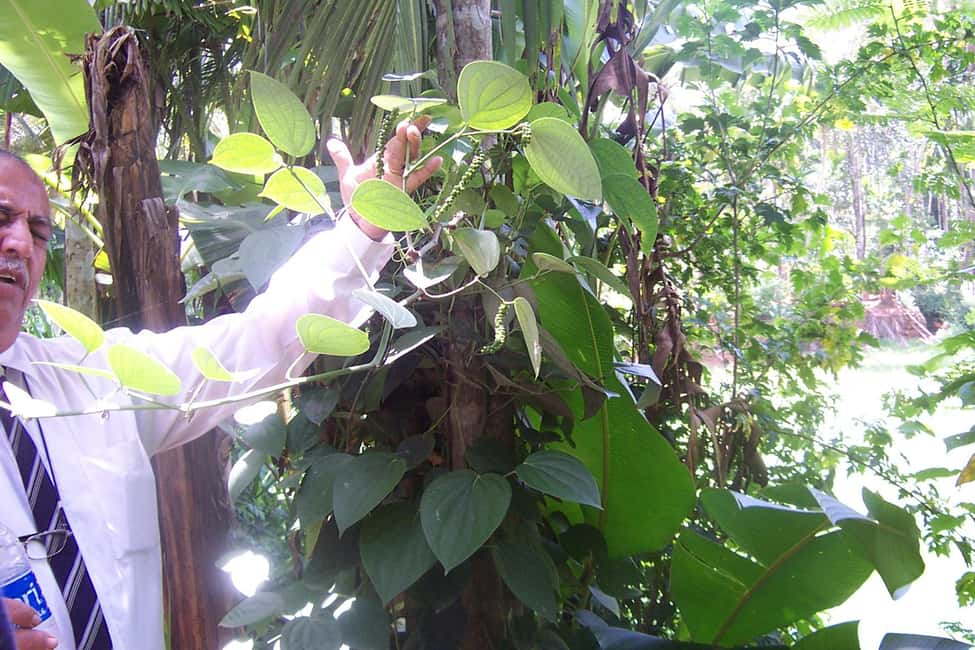
Goa without the rush is possible. I like that this tour helps you skip the noisy tourist traps and focuses
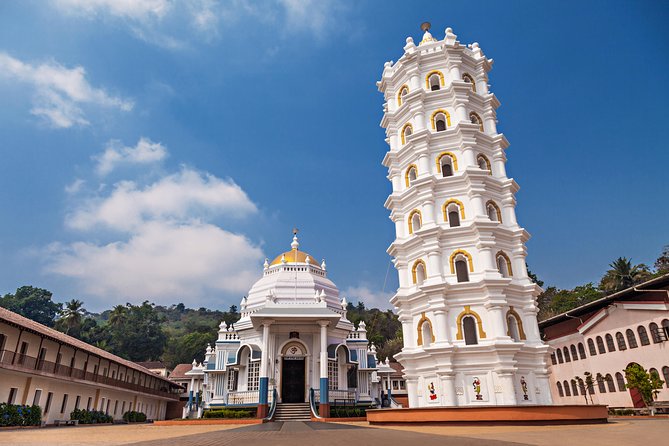
Spice and temples in one private Goa day. This small-group tour blends Portuguese-flavored architecture with Hindu temple visits and a
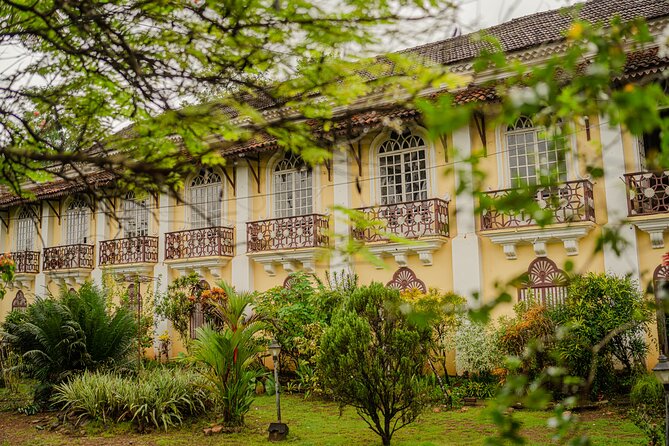
Chandor’s old houses are a great Goa change-up. This Heritage Houses of Goa – Chandor tour takes you past the
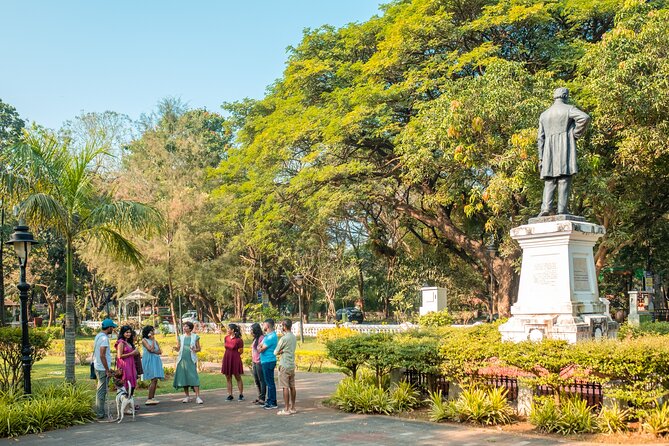
Campal has a way of slowing you down. This Campal Heritage Walk by Make It Happen takes you through one
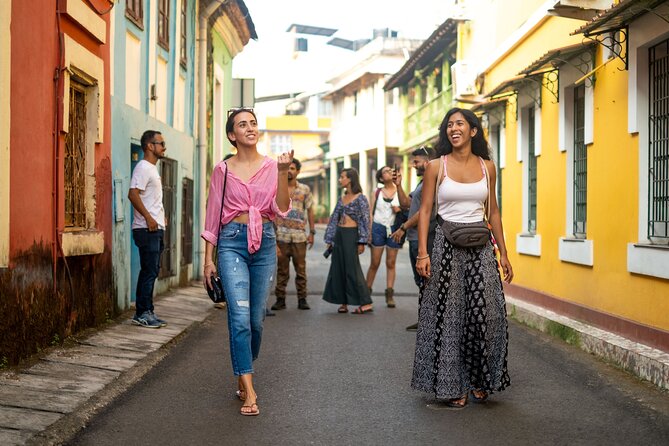
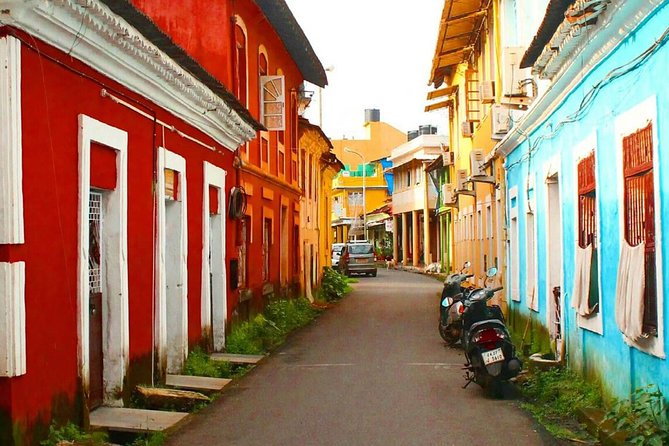
Fontainhas sounds small, but it tells a lot. This 2-hour 30-minute walking tour turns Panaji’s Latin quarter into a story
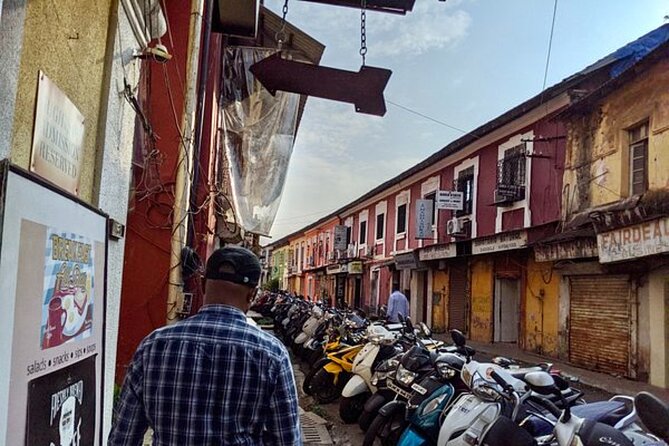
Follow Mario through Goa’s old painted lanes. This small-group heritage walk in Panjim’s Fontainhas Latin quarter is a smart way
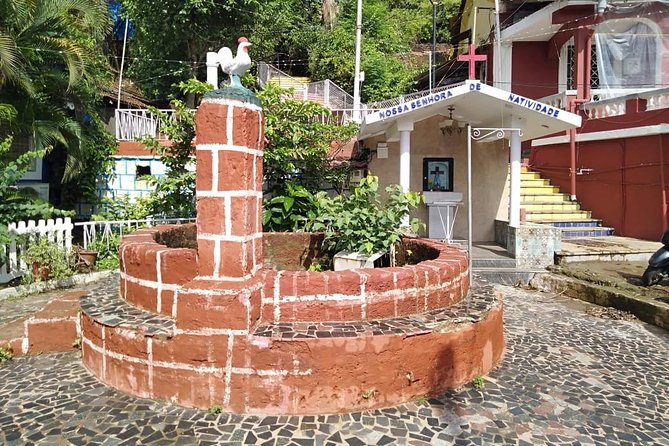
Goa’s prettiest streets have a backstory. This Fontainhas Heritage Walk is a smart, compact way to understand how Portuguese-era Panjim
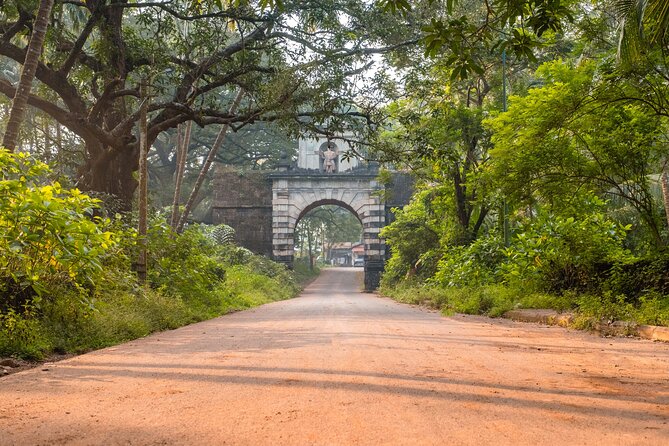
Old Goa tells its story in stone and paint. This guided Portuguese-heritage walk focuses on how the area shaped under
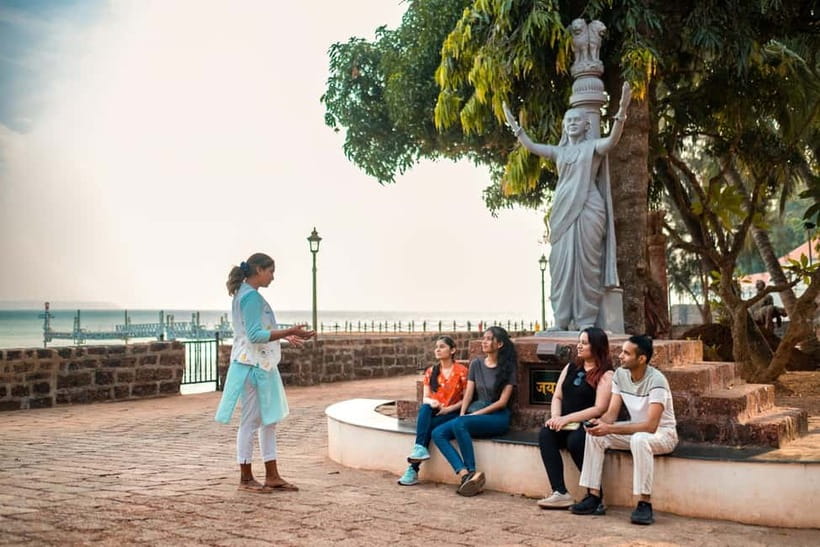
Goa’s Fort Aguada has a darker side. This 1-hour heritage walk turns the usual sea-view sightseeing into a story about
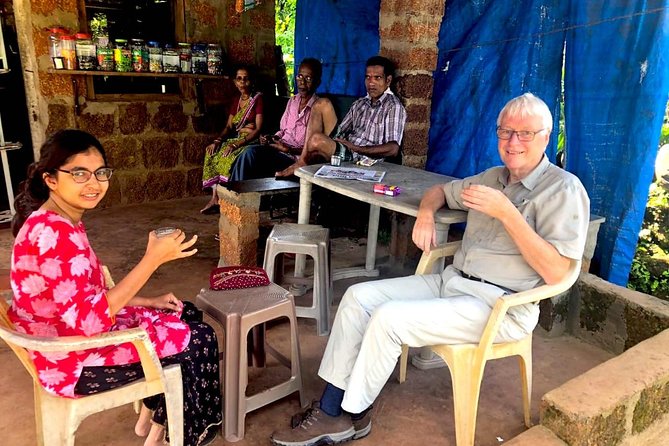
Goa’s history shows up street by street. This heritage walk is a smart 3 hours in Panaji, mixing Portuguese-era neighborhoods
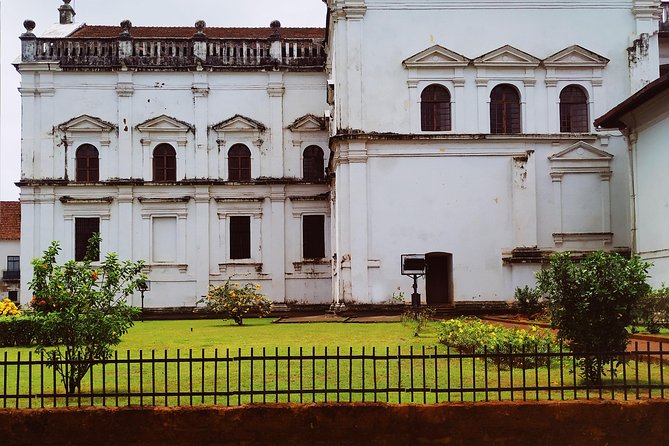
Portuguese Goa, without the map headaches. This half-day private route strings together Panaji’s Latin Quarter with the big Old Goa
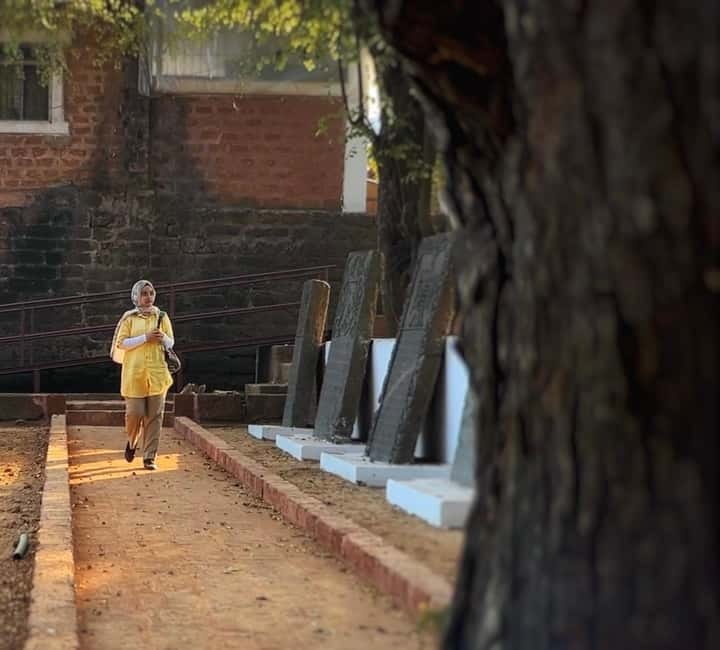
Old Goa tells its story fast. In just 2 hours, you walk through the church-and-convent world that grew from Portuguese
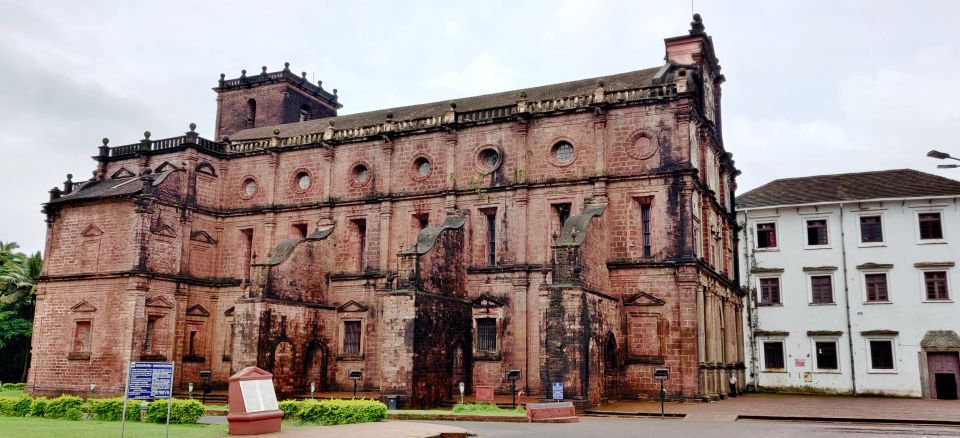
Old Goa is church-hopping, but with street-level stories. I love the way guides like Yashasvi turn Portuguese Goa into something
Portuguese Goa gets real fast. This private heritage tour pairs a great guide with UNESCO’s Basilica of Bom Jesus and